Skip to content
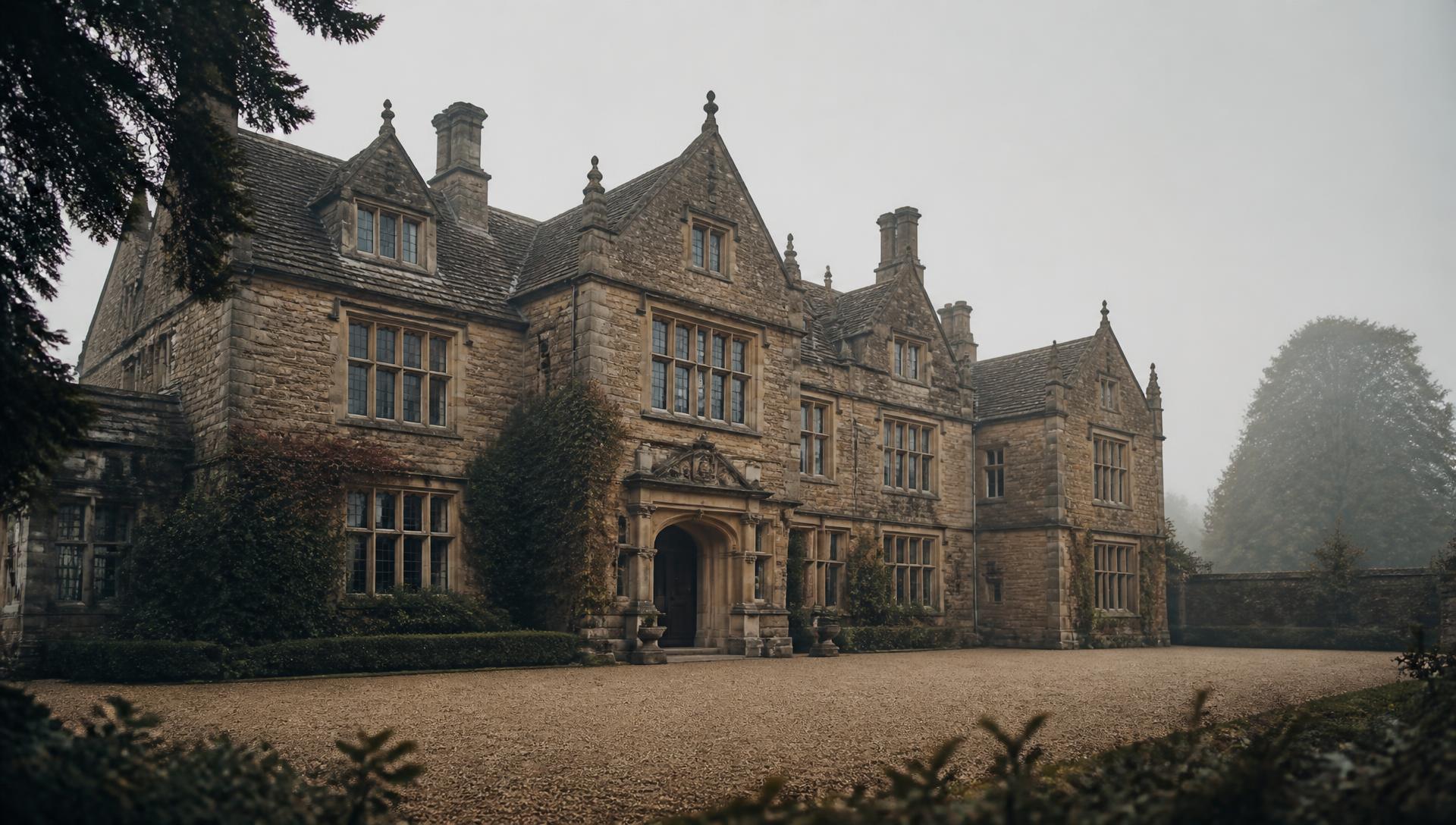
The honey-stone facade of Ashford House at dusk with lit windows
Ashford House · Established 1794 · Eleven rooms

The House

Two centuries, still being written.

Ashford House was built in 1794 for a wool merchant who wanted the valley in view and the weather at his back. It has been a farmhouse, a rectory, a school for eleven years, and briefly a convalescent home. It became a hotel in 2019 — the smallest change it has ever undergone.

The south elevation of Ashford House in late afternoon light
The south elevation

History

Built by wool, kept by luck.

The oldest part is the hall range, raised in a single season from stone quarried a mile up the lane. A later owner added the east wing and the tall sash windows that now flood the drawing room; a Victorian one added a service passage and, mercifully, very little else.

The house then had the great good fortune of being too remote to modernise. No one panelled over the fireplaces or dropped a ceiling. What we inherited in 2018 was cold, damp and almost entirely intact.

Restoration took eighteen months and was governed by a single rule: repair before replacement. Lime plaster, oak, leadwork, and roughly nine hundred handmade tiles later, the house looks much as it always has — only warm.

Established
1794
Restored
2018 – 2019
Rooms
Eleven, no two alike

Architecture

Stone that behaves like weather

Ashford limestone changes colour four times a day, and no photograph has ever settled the argument.

  • The hall range

    1794. Tall windows, a stone-flagged floor worn into a path, and beams cut from the estate's own oaks.

  • The east wing

    1868. Late-Georgian proportion and three sash windows per room — the reason the drawing room is never dark.

  • The roof

    Graduated Cotswold stone slate, largest at the eaves, laid by two men over one long summer.

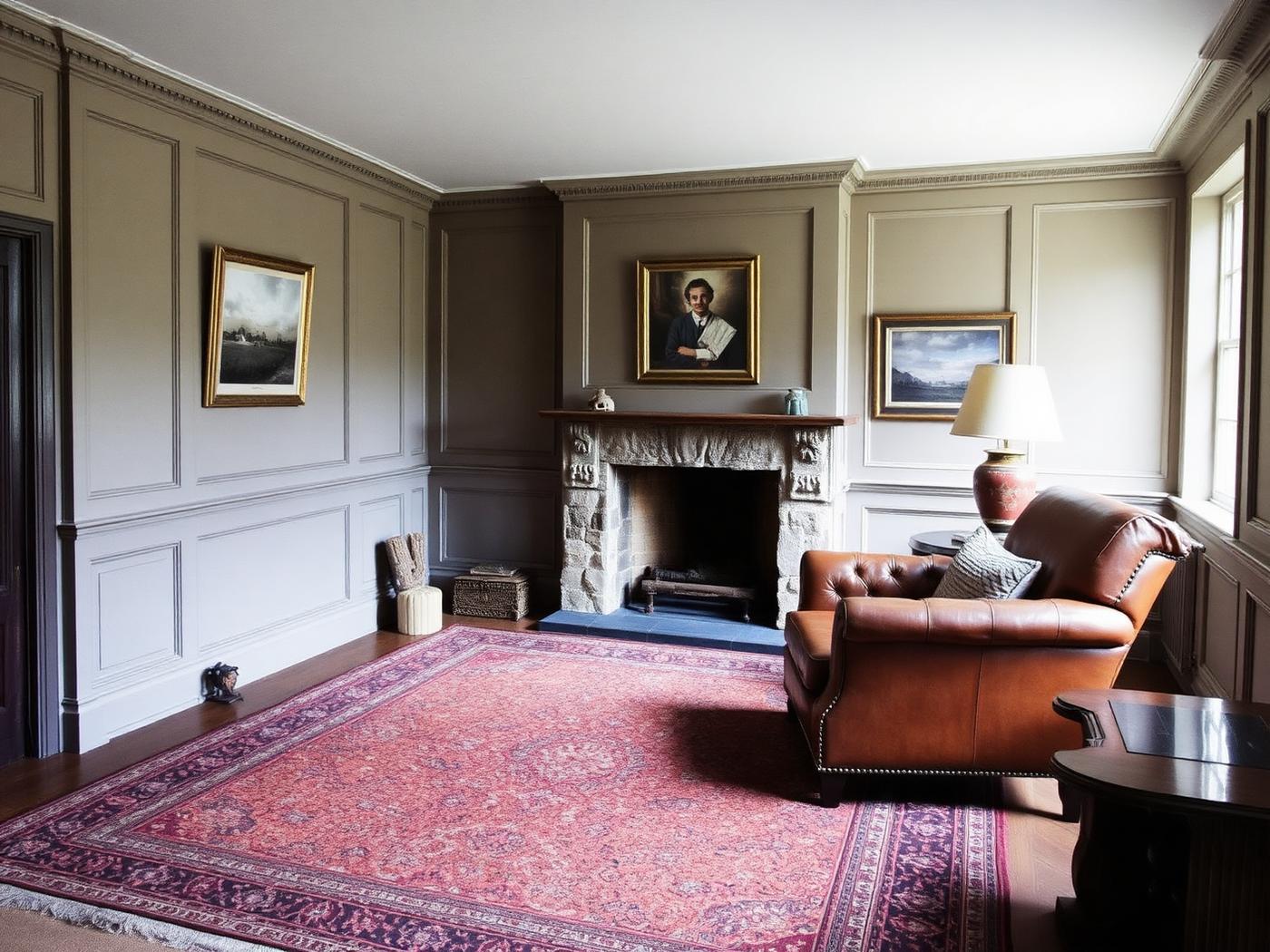
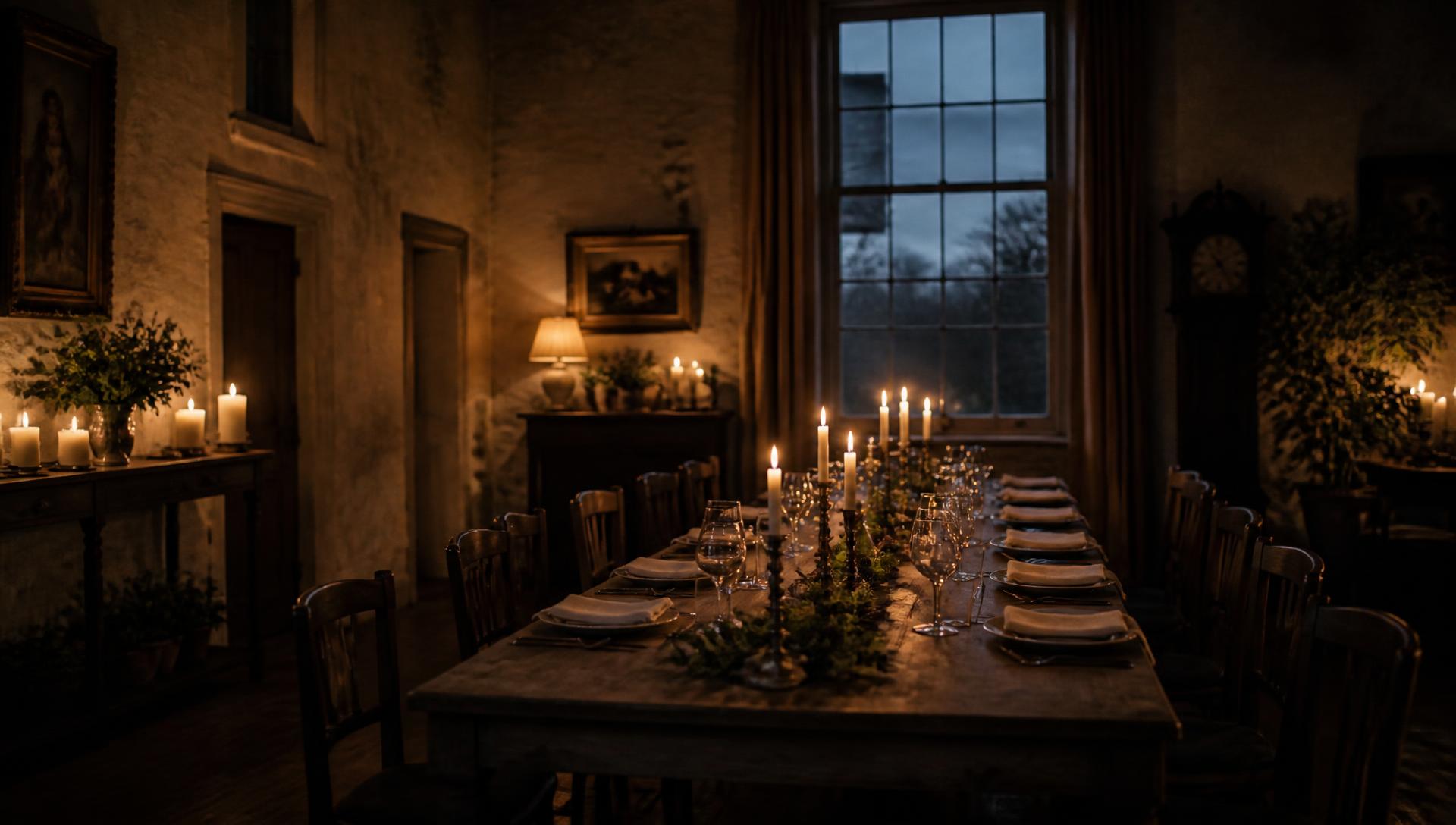
A lamplit drawing room with antique furniture and lime-washed walls
The drawing room, evening

Interiors

Furnished slowly, and mostly at auction.

There was no scheme and no scheme board. Pieces were bought one at a time from country sales within the county, upholstered in undyed linen and wool, and put where the light suited them.

The result is a house of soft, dim, forgiving rooms: lime-washed walls that hold the sun, oak that has been polished by two hundred years of hands, and lamps rather than overhead lighting. Nothing matches. Everything agrees.

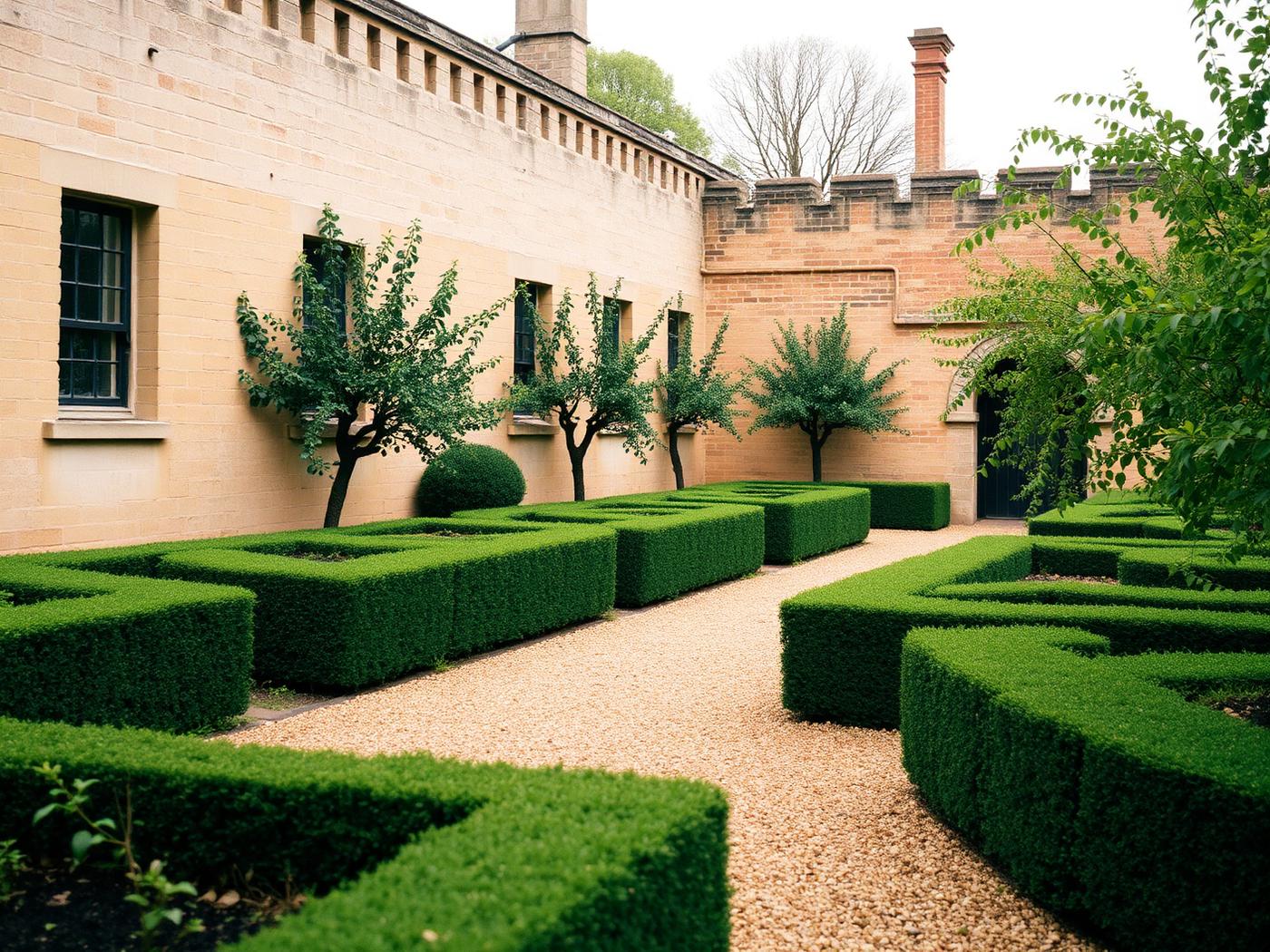
Clipped hedging and gravel paths in the walled garden at Ashford House
The walled garden

Gardens & grounds

Nine acres, two of them walled.

The walled garden was rebuilt on its Victorian footprint and now feeds the kitchen for seven months of the year. Beyond it lie the orchard, a beech avenue planted in the 1850s, and a meadow deliberately left long.

The gardeners work in the morning; guests have the place to themselves after four, when the light comes low across the ridge and the swifts arrive.

Grounds
Nine acres
Walled garden
Two acres, replanted 2019
Beech avenue
Planted c.1850

Philosophy

A house first. A hotel second.

There is no reception desk, no lobby music and no card by the bed asking you to reuse your towel. Someone will be in the hall when you arrive, and they will already know your name.

Eleven rooms means the whole house can be run by people who are actually in it. Dinner is at seven because that is when the kitchen is ready. Breakfast lasts as long as it lasts. Nothing is scripted, which is why it is difficult to copy.

What the house asks of the valley, it asks of guests too: to move a little more slowly and to notice the weather. Most people manage it by the second morning.

1794
Established
11
Rooms
9
Acres
1
Table
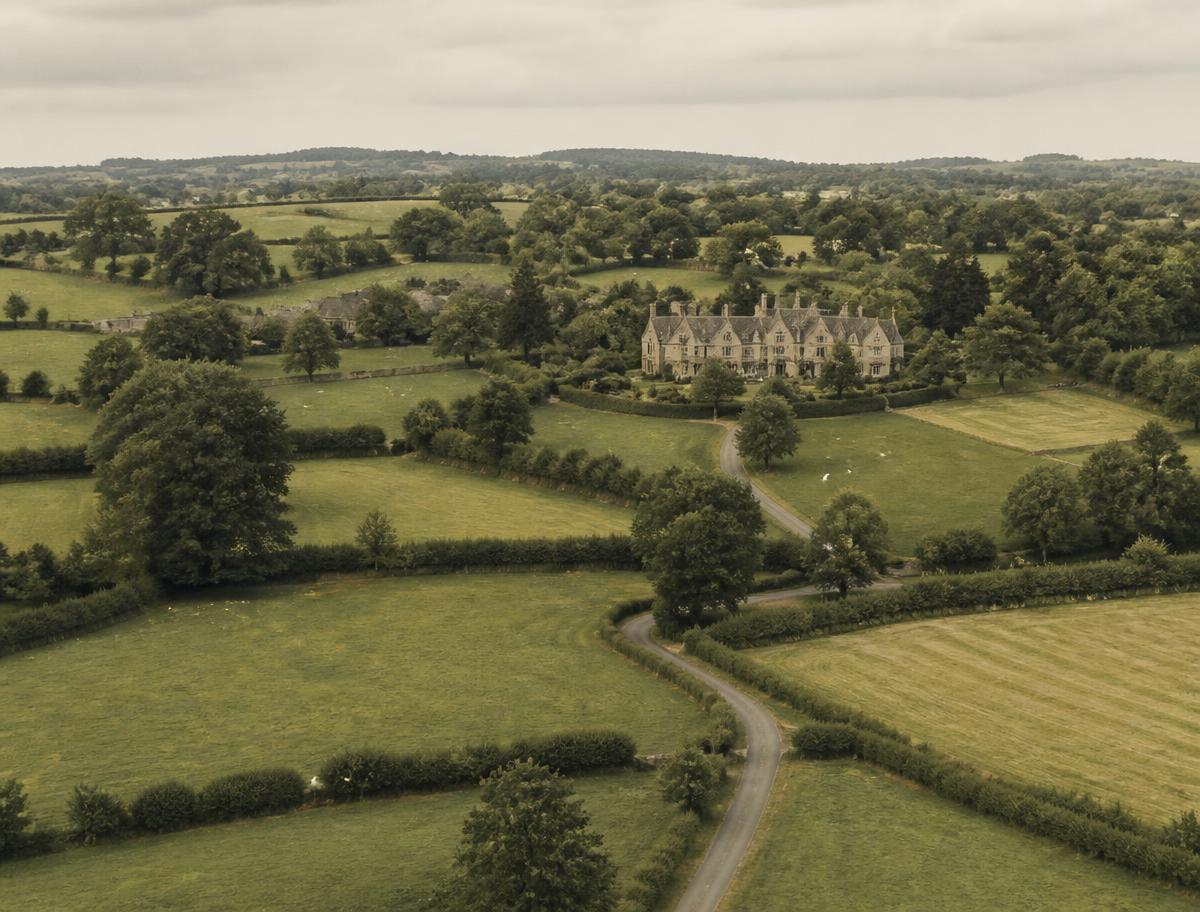
Aerial view of the Cotswold valley surrounding Ashford House
The valley, looking south-west

The landscape

The valley sets the hours.

Ashford House sits low on the northern side of its valley, sheltered from the westerlies and facing the ridge. Mist gathers below the terrace most mornings between September and April and burns off by ten.

Everything the house does follows that: fires from the first cold day, dinner outside when the light holds past nine, the garden's whole year decided by a fortnight in May. Two hundred years of doing it this way has made the argument fairly convincingly.

Enquire

Come and see how the house behaves in your season.

Tell us when you would like to arrive and which room appeals; we will tell you honestly what the valley is doing that week.

Or write to stay@ashfordhouse.co.uk. We reply personally, usually within a day.